 简体中文
 繁體中文
 English
regulatory agency
Hong Kong Customs and Excise Department
The specific acceptance units and authorities shall be subject to the latest public information of Hong Kong Customs..
Organized in accordance with the registration system for precious metals and gemstone traders that will be implemented from April 1, 2023.
Basis for registration system for dealers in precious metals and gemstones in Hong KongAnti-Money Laundering and Counter-Terrorist Financing Ordinance (Chapter 615)Part 5C, From April 1, 2023 byHong Kong Customs and Excise Departmentimplement. When an operator conducts designated transactions totaling HK$120, 000 or more in the course of business in Hong Kong, It is necessary to first determine whether to register in Category A or B.
Category A registration applies to non-cash transactions that meet the threshold; Type B registration covers cash and non-cash transactions that meet the threshold, and assume full AML/CFT obligations. split payment, Related transactions or multiple payments under the same business arrangement cannot be mechanically judged based on a single amount., Whether it is a total transaction should be checked according to regulations and customs guidelines..
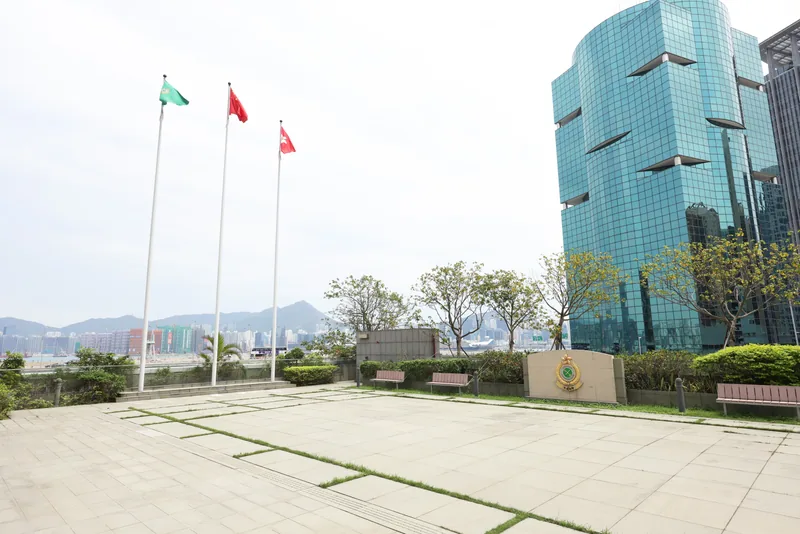
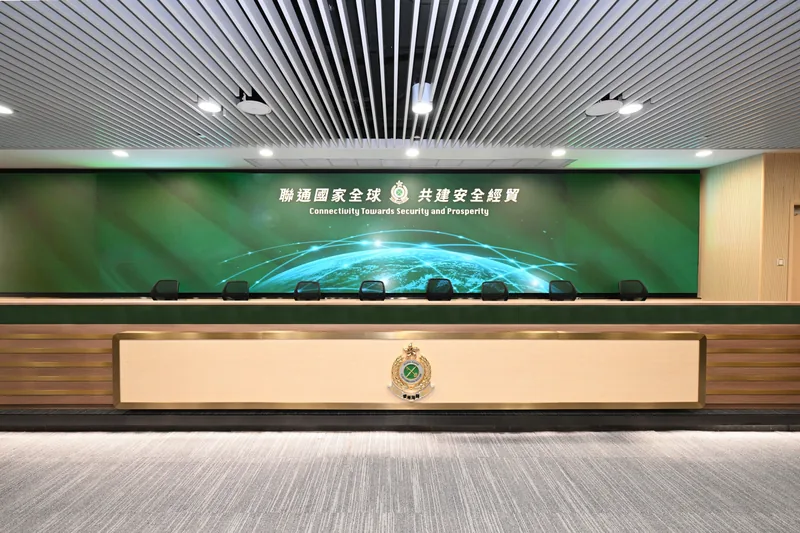
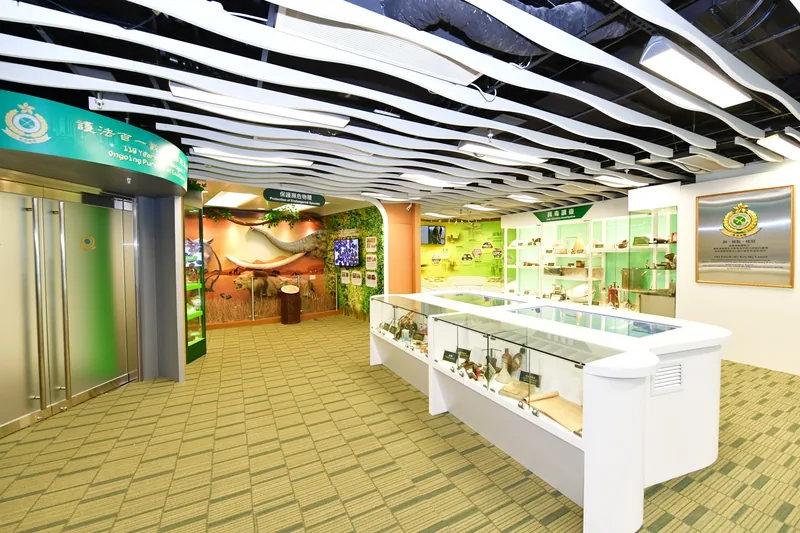
The above are photos of environmental information of Hong Kong Customs agencies, Used to identify the DPMS registered regulatory authority, Not the applicant’s business place or 88MSO customer case. See picture descriptionIntroduction to the facilities of the Hong Kong Customs Headquarters Building.
Important tips: Category depends on transaction method and amount; Registration does not cover remittances, Exchange or securities business.
Hong Kong Customs and Excise Department
The specific acceptance units and authorities shall be subject to the latest public information of Hong Kong Customs..
Dealer in Precious Metals and Gemstones (DPMS) Registration
Category depends on transaction method and amount; Registration does not cover remittances, Exchange or securities business.
Authorised scope and ongoing obligations
The content is organized based on the disclosure rules of regulatory agencies and adjacent regulatory systems..
The following content is used to delineate the scope of items for registration of precious metals and gemstone dealers in Hong Kong; The actual business and official determination remain controlling.
Application documents should describe the products traded in precious metals or gemstones, client, channel, transaction flows, revenue model and controls.
Application documents should describe products that meet legal thresholds for cash or non-cash transactions, client, channel, transaction flows, revenue model and controls.
Application documents should describe the products of the business within the scope of Class A or Class B registration, client, channel, transaction flows, revenue model and controls.
Hong Kong Customs usually collects information from the subject, personnel, business substance and risk controls; The required depth of documentation varies by project.
The DPMS registration system does not set a uniform minimum paid-up capital for all applicants. The budget application should distinguish between customs registration fees and, Company establishment, Business premises, personnel, AML/CFT systems and ongoing training costs.
Category B registration applicants and their related persons are subject to a fit and proper examination, and establish AML/CFT controls commensurate with cash transactions and customer risk.
office, Registered office and recordkeeping locations should be checked separately. Where the regulator requires local substance, a mail-forwarding address cannot substitute for actual management, client service, systems control and access to records.
The budget should differentiate between statutory expenses, Capital or margin, corporate and premises costs, staffing and professional fees. Do not quote a fixed total cost or guarantee an approval timeframe without an official basis.
| Budget item | Basis of calculation | Checkpoints |
|---|---|---|
| Category A registration fee | initial registration HK$260; annual thereafter HK$195. | Applies only to specified non-cash transactions meeting the threshold. |
| Category B registration fee | initial registration HK$1,970; Renew HK$1,060; fit-and-proper test per person HK$650. | Applies to specified cash transactions meeting the threshold. |
| Validity and refunds | The registration certificate is generally valid for three years; Application and related fees are non-refundable regardless of the outcome. | Renewals and changes of particulars must be made using the Customs’ current forms. |
| capital, security deposits and insurance | The DPMS registration system does not set a uniform minimum paid-up capital for all applicants. The budget application should distinguish between customs registration fees and, Company establishment, Business premises, personnel, AML/CFT systems and ongoing training costs. | Capital is not a service fee, and must not be met with temporary loans or funds of unexplained origin. |
| Company formation and statutory maintenance | Budget separately according to the place of registration, share capital, registered agent, secretary, Registered address, annual return and tax filings. | Company formation does not mean that a licence or bank account has been approved. |
| Office and personnel | Calculate according to the lease, deposit, floor area, use, local remuneration, visa and local-presence requirements.. | Confirm the substantive requirement accepted by the regulator, before signing a lease or hiring staff.. |
| Policies, systems and professional services | Calculate AML/KYC,, Sanctions Screening, transaction monitoring, network security, audit, legal advice, translation and notarisation according to business complexity.. | Quotes should set out the scope, hypothesis, third-party costs and the number of response rounds. |
Processing time depends on the application category, completeness of the information and enquiries from Hong Kong Customs, No fixed registration completion time should be promised.
put product, client, regions, Channels and fund flows are mapped to the permitted scope of the Dealer in Precious Metals and Gemstones (DPMS) registration.
Determine the applicant, Equity, director, key personnel, premises and outsourcing arrangements.
Prepare the business plan, financial forecasts, organisational structure, risk assessments and compliance policies.
Submit application to Hong Kong Customs and Excise Department, respond to information requests, Interview, system demonstrations or inspections.
Check the licence conditions, and complete the capital, personnel, system, client-asset and filing arrangements.
The registrant must display the registration certificate at the principal place of business and each branch; Dealers operating online or by other electronic means must provide the verification method specified by Customs. Changes in registration particulars must be notified to Customs in writing within one month after the change, An intended cessation of business must be notified in writing before the intended date. Category B registrants must also maintain a risk-based AML/CFT system, renew before the registration expires.
If also applying for exchange membership, compareHong Kong Gold Exchange (HKGX; formerly the Chinese Gold and Silver Exchange Society) membership and trading permissions; membership and Customs DPMS registration are different regimes. Licensed, registration or membership maintenance can be assessed withlicence or registration renewal, filing and maintenance service scopetidy.
Before trading in 2026, check the category and validity in the Customs DPMS register, and distinguish DPMS registration, Hong Kong Gold Exchange (HKGX; formerly the Chinese Gold and Silver Exchange Society) membership and other retail or import/export procedures. the three address different legal issues, cannot replace each other.
Official sources to check: Hong Kong Customs official information.
Update note: regulatory scope, capital, personnel, cost, timelines and ongoing obligations may change, Before proceeding, follow the authority’s current rules, forms and case-specific determination.
The following checklist is used for preparation and communication of precious metals and gemstone dealer registration in Hong Kong, and maps the business description to verifiable evidence; the final submission items depend on the requirements of the applicable authority.
When using a Hong Kong company as the applicant, first checkHong Kong Company Incorporation Requirements. Company incorporation and the licensing, registration or membership processes discussed here are separate procedures.
The registration system for dealers in precious metals and gemstones in Hong Kong is based on Part 5C of the Anti-Money Laundering and Counter-Terrorist Financing Ordinance (Chapter 615), Implemented by Hong Kong Customs and Excise Department from April 1, 2023. When an operator conducts designated transactions totaling HK$120, 000 or more in the course of business in Hong Kong, It is necessary to first determine whether to register in Category A or B. Category A registration applies to non-cash transactions that meet the threshold; Type B registration covers cash and non-cash transactions that meet the threshold, and assume full AML/CFT obligations. split payment, Related transactions or multiple payments under the same business arrangement cannot be mechanically judged based on a single amount., Whether it is a total transaction should be checked according to regulations and customs guidelines..
Official source: Hong Kong Customs official information
Application materials should indicate the product category, sales channel, Customer area, Payment method, cash ratio, Refund and buyback process, and prepare information on directors and ultimate owners, Business premises certificate, Transaction document samples and risk assessment. Category B applications should also demonstrate customer due diligence, Sanctions Screening, suspicious transaction report, How to implement record keeping and employee training.
Registrants must maintain accurate registration information and transaction records; Category B registrants must also maintain a risk-based AML/CFT system. Company Name, business address, director, When information such as partners or ultimate owners changes, Customs should be notified within the prescribed time limit, Please apply for renewal before the registration expires..
Before trading in 2026, check the category and validity in the Customs DPMS register, and distinguish DPMS registration, Gold and Silver Trade Fair membership and other retail or import and export procedures. the three address different legal issues, cannot replace each other. See the latest rulesHong Kong Customs official information.
Policies should be based on the firm’s customers, Country or region, product, channels and transaction characteristics to form the business risk assessment, and implemented through customer due diligence, beneficial-owner identification, ongoing monitoring, sanctions and politically exposed person screening, escalation and reporting of suspicious transactions, record keeping, staff training and independent testing. A generic template, without justified thresholds or operational records, is usually insufficient to show that the framework operates.
A single figure is not enough.. Separate statutory minimum capital, regulatory capital, margin, Insurance, client-asset protection and the financial resources needed to operate, And check the current rules of Hong Kong Customs according to the scope of application and business scale.. Source of funds, financial projections and stress scenarios should also be explainable and verifiable. This project should also note: Category depends on transaction method and amount; Registration does not cover remittances, Exchange or securities business.
The answer depends on local law, Eligibility to apply for Precious Metals and Gemstones Dealer (DPMS) registration, the proposed activities and outsourcing model. Even where the rules do not prescribe one universal job title or office size, Hong Kong Customs may still pay attention to the decision, Record, client service, risk management and regulatory communications have sufficient local substance; Before leasing premises or hiring personnel, check the requirements for the particular case.
Review time depends on application completeness, business complexity, key-person suitability, Regulatory inquiries, interviews, demonstrations and third-party evidence, No fixed approval date should be promised. The project plan should separate preparation, submission, Supplementary parts, technical remediation and post-authorisation launch, and retain sufficient contingency; Only the competent authority decides whether to accept and authorise the application.
Generally not. The applicant should complete provider due diligence, explain data flows, service levels, Audit right, subcontracting, information security, business continuity and exit arrangements, and retain oversight of rules, thresholds, alerts and major incidents. Whether outsourcing is permitted and what notification or approval is needed, Should be checked according to the current regulations of Hong Kong Customs.
New operators must complete the required registration before carrying out any threshold specified transaction or specified cash transaction. submission, review in progress or completion of company registration, does not mean registration is complete; and no potentially misleading public statement about registration status should be made. the 2023 nine-month transitional arrangement applied only to eligible pre-existing dealers operating before commencement, it should not be used by a new operator as a basis to start business first.
The registrant must display the registration certificate at the principal place of business and each branch; dealers operating through websites or other electronic means, must provide the Customs-specified method for the public to verify registration status. Changes in registration particulars must be notified to Customs in writing within one month after the change, An intended cessation of business must be notified in writing before the intended date. Category B registrants must also maintain a risk-based AML/CFT system, customer due diligence and record keeping, and renew before expiry.
should beHong Kong Customs official informationpublished there, application forms, guidance, fee schedules and notices as the current reference. 88MSO helps organise questions and materials, but does not represent a regulator, and cannot replace advice from local counsel, a tax adviser or the regulator on a particular case.
If also applying for exchange membership, compareHong Kong Gold and Silver Trade Fair Membership and Trading Privileges; membership and Customs DPMS registration are different regimes. Licensed, registration or membership maintenance can be assessed withLicense renewal, filing and maintenance service scopetidy.
The Customs current fee schedule states: Category A initial registration HK$260, annual thereafter HK$195; Category B initial registration HK$1,970, Renew HK$1,060, fit-and-proper test per person HK$650. the above application and related fees are non-refundable regardless of the outcome, and do not include advisory, system, site, personnel, legal, audit or other professional costs; verify against Customs current forms and payment notice.
The applicant should be confirmed first, statutory registered office, actual management location, and distinguish these from customer reception and recordkeeping locations, then budget for registration fees, agent or secretary, rent, deposit, furnish, communications, Insurance, visas and local staff. Leasing before defining the regulatory boundary, may create unrecoverable costs.
You cannot judge based on the payment channel alone.. Transaction products should also be checked, Amount, Related party transactions and applicable registration categories; Different rules and responsibilities for cash and non-cash transactions.
By product, Customer type, Procurement source, Item-by-item description of sales areas and receipts and payments, and prepare a sample contract or invoice, Account Arrangement and Risk Control. Don’t just write “trading company”.
You cannot judge based on a single invoice or a single payment.. Customs’ definitions of specified transactions and specified cash transactions both cover multiple operations that are related or appear to be related., The total amount of relevant payments and cash should be, Non-cash verification, Instead of avoiding registration by splitting orders. Customs DPMS Frequently Asked Questions: Specified transactions and associated payments.
Customs instructions, The same legal entity usually applies for a single registration, However, all business premises information must be provided. Display of registration certificate at principal place of business, Each branch that conducts face-to-face transactions with customers also displays a branch certificate.; Different companies cannot share registration with the same group name.. Customs DPMS Frequently Asked Questions: Branch and certificate requirements.
Application can be made, Still required to have a valid business registration certificate or applicable hawker license and disclose business premises. Category B applications must also pass a fit and proper review and demonstrate compliance with anti-money laundering requirements; Online operators must allow the public to verify their registration status according to the methods specified by the customs.. Customs DPMS Frequently Asked Questions: Virtual Stores and Online Identity Verification.